
Owners of Amish furniture often agree on one thing: their furniture requires very little maintenance. Compared to glass, metal, or soft wood, solid hardwood furniture needs less cleaning, resists damage better and is easier to repair. Other materials may seem like low maintenance at first, but they don’t last long. Particleboard, plastics, and faux leather often wear out within two to ten years. Solid hardwood hits the sweet spot—low maintenance and built to last for decades.
While preparing this wood furniture care guide, I spoke with a local woodworker who has over forty years of experience. I asked how long a typical bedroom set lasts. Twenty years?
“Longer,” he said.
“Forty?” I asked.
“Longer.”
“Sixty?” By then, I felt foolish asking again.
“Longer,” he repeated, and I stopped.
That conversation convinced me that with basic care, solid wood furniture can last for generations. These pieces become part of your home, your family, and your legacy.
Cleaning Solid Wood
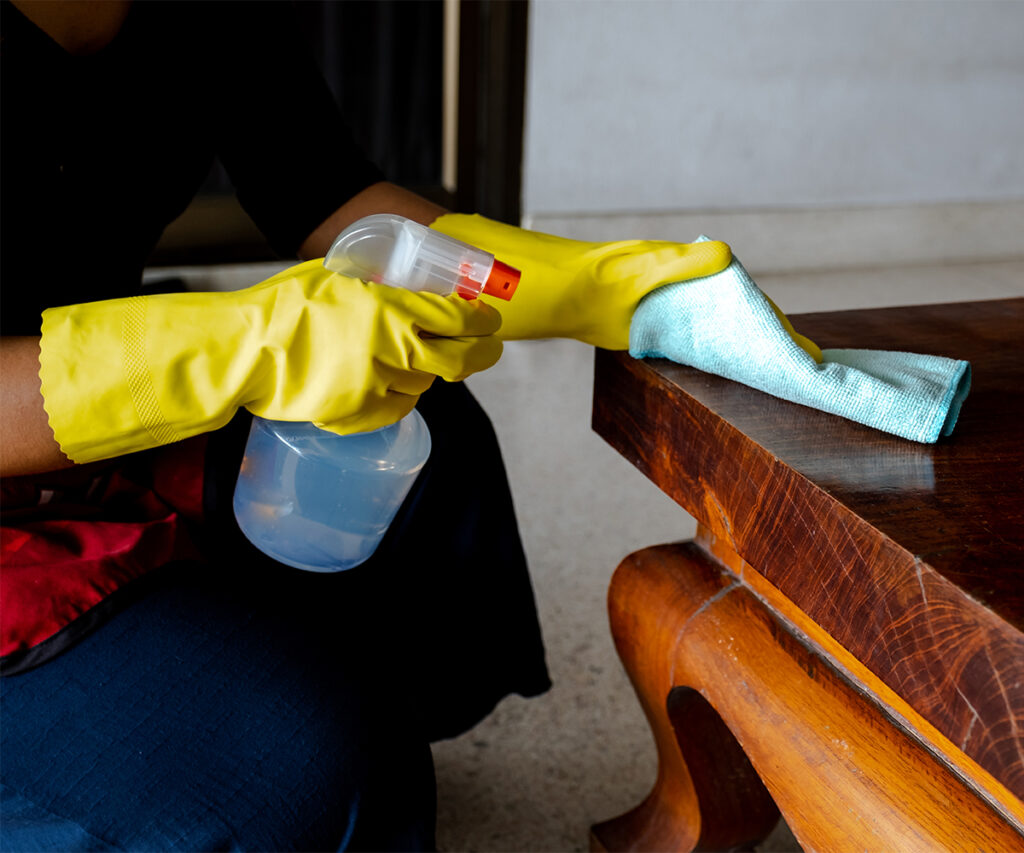
Amish furniture is built to last, but neglect or misuse can shorten its lifespan. Proper care protects your investment and keeps it looking its best.
Years ago, people polished furniture every week. According to my woodworking friend, that isn’t necessary. The best routine is simple: clean your furniture once a week with a damp microfiber cloth.
These three cleaning solutions work well and won’t damage the finish. Always dilute them with water:
- Gentle soaps, such as Murphy’s Oil Soap
- Dish soap
- Vinegar and water
Wring out your cloth well and rinse it often. Too much moisture can soak into the wood and cause warping. Dirt trapped in the cloth can scratch the surface. Always wipe in the direction of the grain to reduce wear. Be sure to avoid certain popular cleaners.
Don’t use:
- Waxes and silicone-based cleaners, which will cloud the finish over time
- Harsh solvents like Goo Gone or bleach, which strip finish
- Acidic cleaners—if used, they should be heavily diluted
If you like a glossy finish, you can oil the wood every six months to two years—but only after the first five years. Until then, stick with soap and water.
Protecting from Heat and Moisture
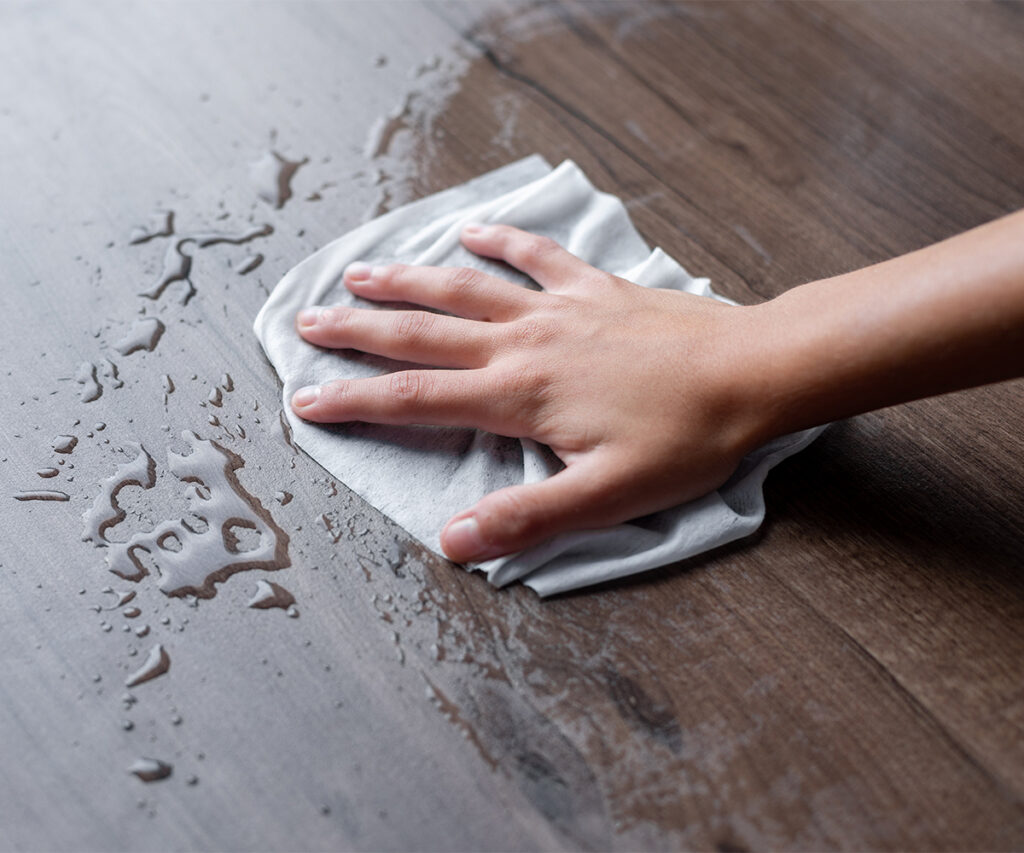
Heat and moisture pose a greater threat to furniture than dirt. Damage from these elements happens slowly, which makes it easy to miss at first. Over time, however, they can significantly change the look of the wood.
Solid wood performs best when indoor humidity stays between 45% and 55%. Air conditioning in summer and a humidifier in winter help create a stable environment and extend your furniture’s life.
Keep these wood furniture care guide tips in mind:
- Use coasters
- Blot spills immediately
- Keep furniture several feet away from fireplaces, furnaces, and radiators
- Avoid direct sunlight when possible
Avoiding Scratches
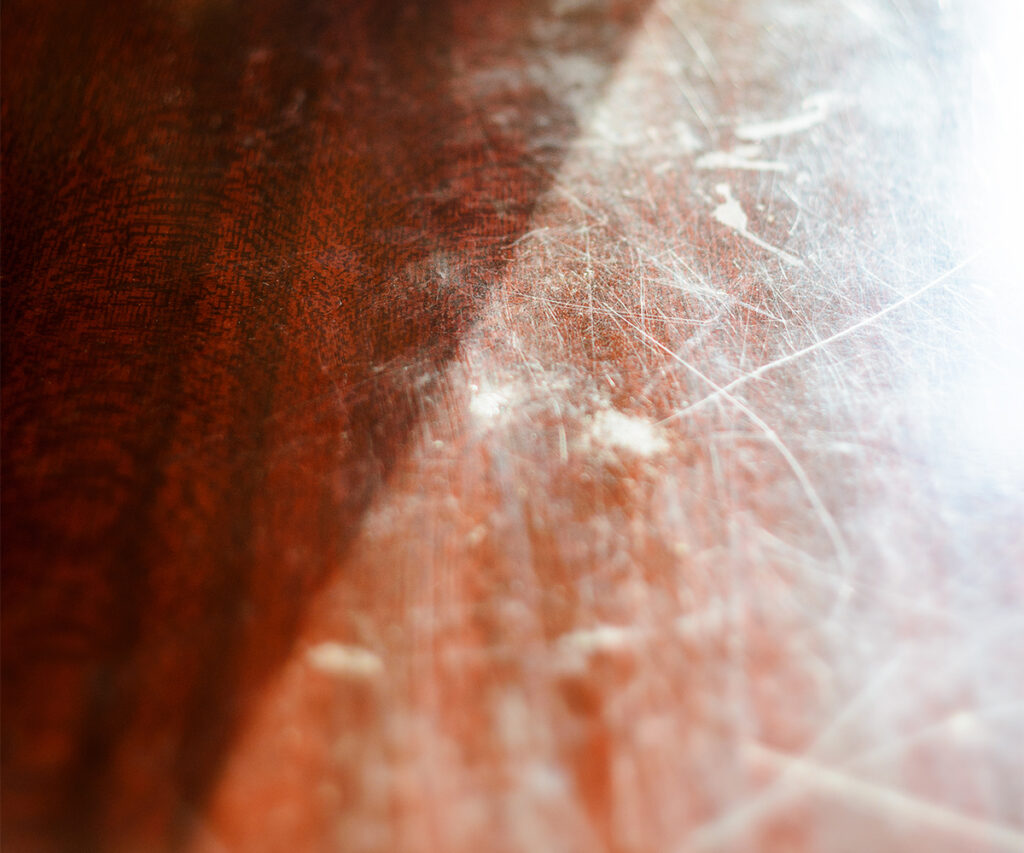
Scratches can be hard to prevent, but a few simple habits make a big difference.
Use felt pads under lamps, vases, and decorative items so metal parts don’t touch the wood. When writing on a table, place a notebook or pad underneath your paper. Add a cloth barrier under items made of nylon, rubber, or plastic. Even small items, like alarm clocks with plastic feet, can cause white marks over time as chemicals react with the finish.
Moving is when furniture is most vulnerable. Use pads and coasters and avoid wrapping pieces directly in plastic. Start with a blanket, then secure it with plastic if needed. Measure doorways, stairwells, and tight corners ahead of time to avoid scraping. If clearance is tight, disassemble the piece. Remove drawers and carry them separately—they slide right back in later. Taking extra care during a move can prevent costly damage.
What If Damage Occurs?
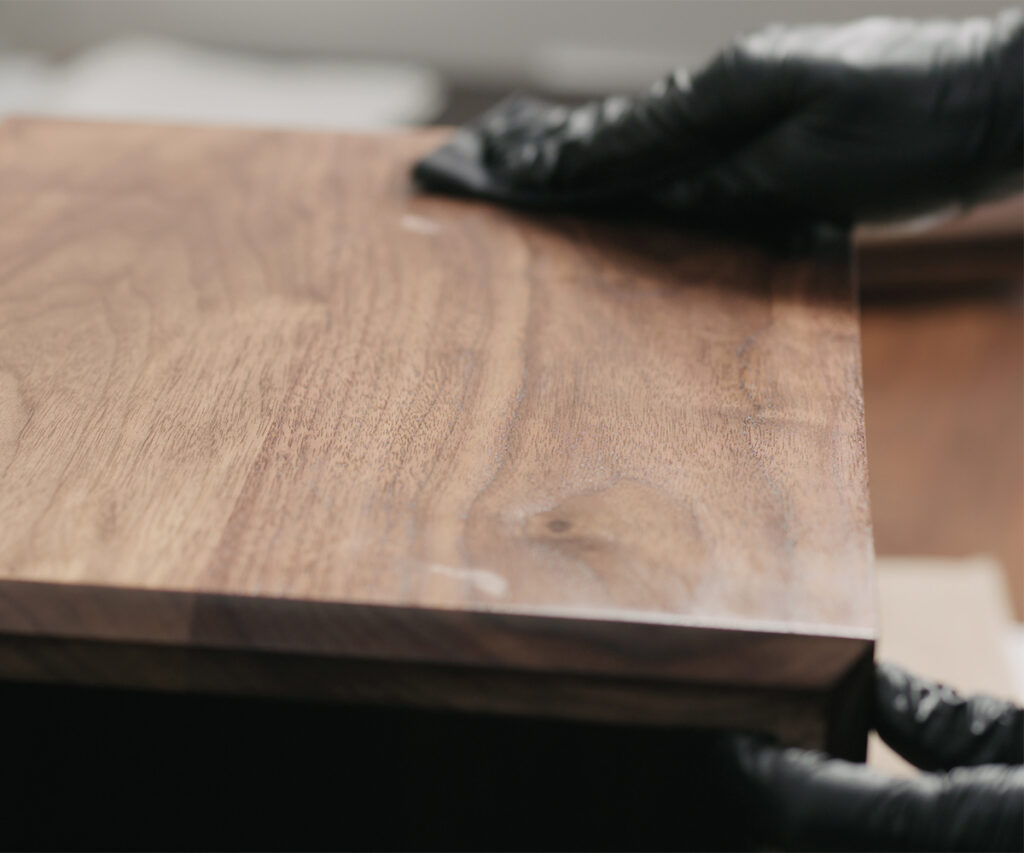
Even with good care, damage can happen. After all, furniture is meant to be used. If something major goes wrong with solid wood furniture, it can be repaired. Particleboard, by contrast, often splinters or warps beyond repair.
Here are common issues and how to fix them:
- Loose joints or broken wood: Use wood glue and screws to reattach pieces. Clamp the joint for 24 hours while the glue sets. Avoid staples.
- White water marks: Mix baking soda and water into a paste. Rub gently with a microfiber cloth. You can also use a cotton cloth and an iron. Turn off the steam setting and set the iron to “cotton.” Place two layers of fabric between the iron and the stain. Heat helps moisture trapped in the finish evaporate. A hair dryer works the same way. Check the wood often—if it gets too hot to touch, stop to prevent cracking.
- Small nicks and scratches: Use a touch-up pen that matches the wood color. For deeper marks, use wood putty.
- Deep scratches: Start with coarse sandpaper, such as 180 grit, and sand with the grain. For very deep scratches, begin with 120 grit, then move up gradually. Finish with 240 grit to prepare the surface for refinishing.
After several decades, tabletops may need refinishing. Regular cleaning and exposure to skin oils eventually break down even high-quality finishes. You can refinish the piece yourself or hire an Amish craftsman to restore it.
Working with the Manufacturer
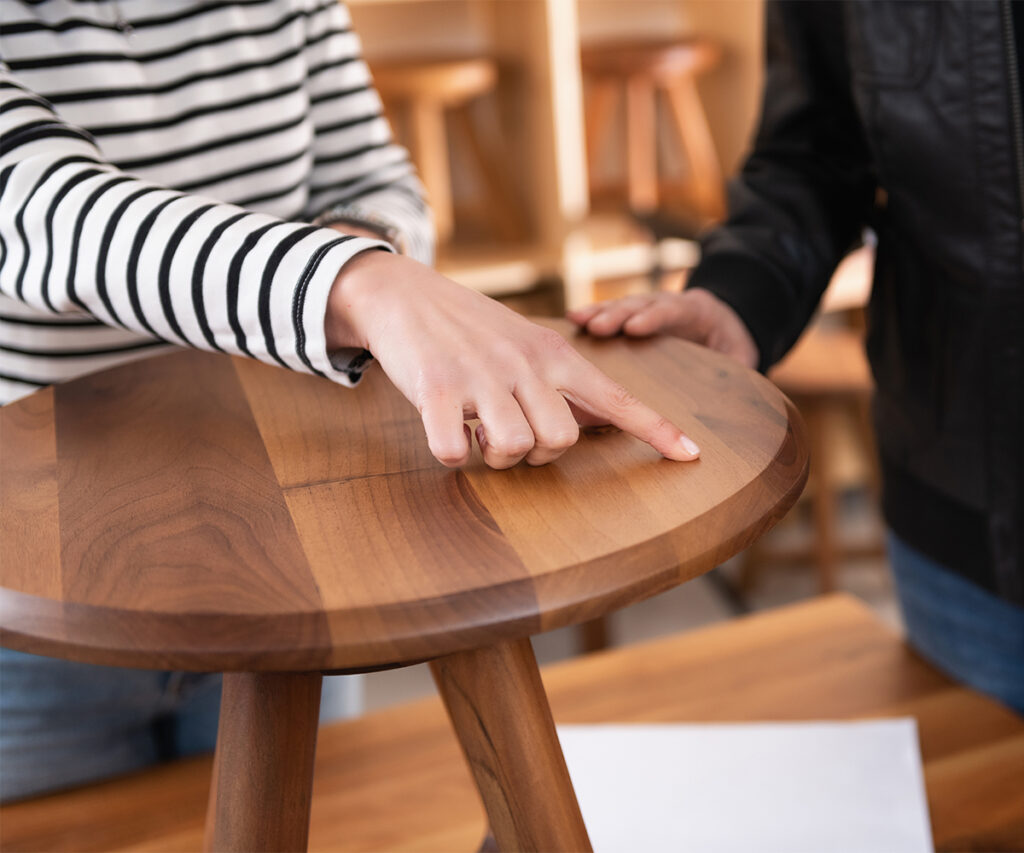
Most Amish furniture makers do not offer formal warranties. This doesn’t mean they lack confidence in their work, but rather the opposite. In fact, many will inspect damaged pieces and offer fair repair pricing if the furniture shows normal use. This approach relies on trust between the craftsman and the customer—and it often works well for both.
Conclusion
Amish furniture is a long-term investment. With simple cleaning, a stable environment, and extra care during moves, these pieces can last for generations. A little attention goes a long way. With proper care, you can pass your furniture on in excellent condition, along with the stories that go with it.